Ganga Aarti Tradition
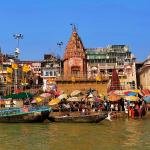
Ganga Aarti is one of the most iconic and famous cultural practices of Varanasi. Every evening, priests perform a grand ritual with glowing lamps, sacred chants, and rhythmic movements at the ghats. The shimmering diyas, echoing bells, and cool river breeze create a powerful and emotional atmosphere. This spiritual tradition attracts thousands of devotees and tourists from around the world.
Music, Dance, and Classical Arts
Varanasi is a major cultural center of Indian classical music and arts. The city has produced legendary musicians and is known for classical vocal music, tabla, sitar, and traditional dance forms. Music flows naturally and deeply through temples, homes, and cultural gatherings, making it an essential part of Banarasi life.
Banarasi Silk and Traditional Attire
Banarasi silk sarees are a proud symbol of the city’s rich cultural heritage. Known for their fine craftsmanship, luxurious fabric, and elegant designs, these sarees are worn on special occasions across India. The traditional weaving art, passed down through generations, reflects the artistic soul of Varanasi.
Food Culture of Varanasi
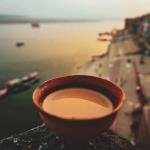
Varanasi’s food culture is simple yet full of authentic flavors. From famous kachori-sabzi and baati-chokha to seasonal malaiyo and soulful ghat ki chai, every dish tells a cultural story. Street food is an important part of daily life and reflects the city’s warm, traditional, and welcoming nature.